Buying Gemstones Online: A Practical Safety Guide
Online gemstone shopping can be safe if you know what to check. This guide explains how to avoid common mistakes.
Read more ›

john-doe
9 months ago
Most gemstone pricing decisions come down to four things:
Color usually matters most for colored gemstones. Experts look at:
A gemstone can be the correct hue but still be less valuable if the tone is too dark (it looks “sleepy”) or too light (it looks washed out). Strong saturation with a balanced tone often gets higher prices.
What buyers can do: View the stone in multiple lighting conditions (daylight, indoor warm light, and neutral light). A stone that looks great only in one lighting can be less desirable.
Clarity is about internal features (inclusions) and surface features (blemishes).
For many gemstones, some inclusions are normal. The question is whether they:
Some inclusions can even increase desirability if they create special effects (like “silk” that produces a star in star sapphires). But in most cases, eye-visible inclusions reduce value.
Buyer tip: Ask whether inclusions are visible to the naked eye from a normal viewing distance.
Cut is not only the shape (oval, cushion, round). Cut quality includes:
A poorly cut stone may look dull even with good color. Cutting can also sacrifice weight to improve beauty. A well-cut stone might cost more per carat because it looks better even if the size is slightly smaller.
Buyer tip: If a stone looks “dark in the center,” “windowed” (see-through in the middle), or unevenly bright, cut quality may be the reason.
Carat weight matters, but price doesn’t rise in a straight line. Larger stones can be much rarer, so price per carat often increases at key size points (for example 1.00ct, 2.00ct, etc.). Two stones can weigh the same but face up differently depending on cut depth.
Buyer tip: Compare stone dimensions (mm) not only carats.
Online gemstone shopping can be safe if you know what to check. This guide explains how to avoid common mistakes.
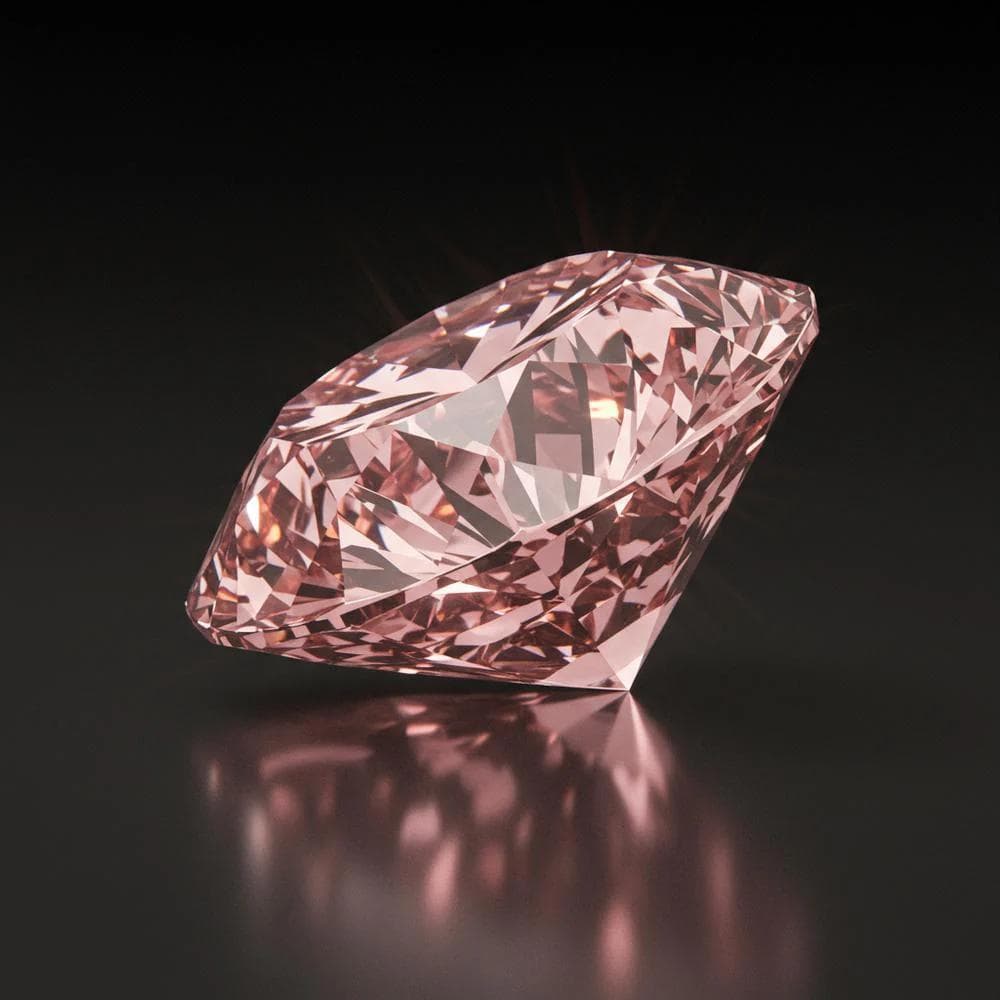
A smaller gemstone with strong color can be far more valuable than a larger stone with weak saturation.