Buying Gemstones Online: A Practical Safety Guide
Online gemstone shopping can be safe if you know what to check. This guide explains how to avoid common mistakes.
Read more ›

jane-smith
9 months ago
When buying a gemstone, one of the most common questions buyers ask is whether the stone should be certified. Some sellers strongly recommend certification, while others say it isn’t necessary. This can be confusing—especially when certification significantly affects price.
The truth is that certification is neither always required nor always optional. Understanding what certification means, what it does (and does not) guarantee, and when it truly matters can help you make smarter buying decisions and avoid costly mistakes.
This guide explains everything buyers need to know about certified vs non-certified gemstones in clear, practical terms.
A gemstone certificate (also called a gem report) is a document issued by an independent gemological laboratory. It provides an expert evaluation of a gemstone’s characteristics based on scientific testing and professional analysis.
A typical certificate may include:
A certificate does not set a price or guarantee beauty—it provides verified information.
Many buyers assume certification means:
This is incorrect.
Certification only confirms what the gemstone is, not how good it is compared to others. A low-quality gemstone can still be certified, and a high-quality gemstone can exist without certification.
Certification provides transparency, not superiority.
Not all labs are equal. Some are highly respected worldwide, while others are less strict.
Well-known international laboratories include:
Each lab has its own standards and reporting style. More respected labs tend to be stricter, which can affect how a gemstone is described and valued.
Certification gives buyers confidence that:
This is especially important when buying online or from unfamiliar sellers.
Without certification, buyers must rely entirely on the seller’s description. A certificate reduces the risk of:
Certified gemstones are generally easier to:
This matters if the stone is valuable or intended for long-term ownership.
Certification adds cost, which is reflected in the gemstone’s price. For lower-value stones, this cost may not be practical.
Some reports may state:
This does not mean the stone is bad—only that testing could not confirm certain aspects conclusively.
A stone may be certified but still:
Buyers should never rely on a certificate alone without visually evaluating the gemstone.
Not all non-certified gemstones are risky.
Non-certified stones may be suitable when:
In many local markets, small gemstones are routinely sold without certificates and still offer excellent value.
Without certification, buyers face higher risk of:
These risks increase with gemstone value and seller distance.
You should seriously consider certification if:
In these cases, certification acts as buyer protection.
A certificate is most useful when combined with:
Always ensure the certificate details match the gemstone:
If anything doesn’t match, ask questions before purchasing.
There is no universal rule.
Choose certified gemstones when:
Choose non-certified gemstones when:
The best choice depends on purpose, not just price.
Certification is not about status—it’s about clarity and confidence. A certificate doesn’t make a gemstone beautiful, but it helps ensure honesty in the buying process.
Smart buyers understand when certification adds value and when it simply adds cost. By knowing the difference, you can choose gemstones that fit your budget, purpose, and expectations—without unnecessary risk.
Online gemstone shopping can be safe if you know what to check. This guide explains how to avoid common mistakes.
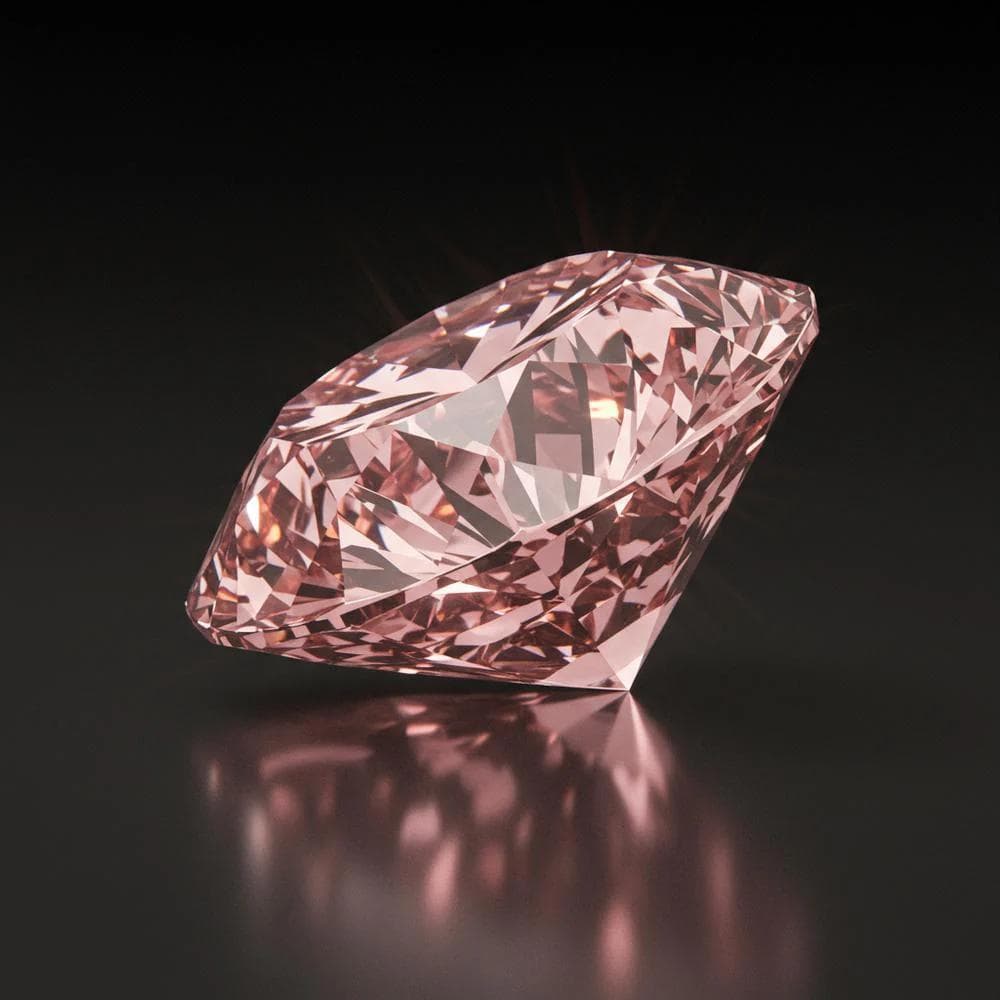
A smaller gemstone with strong color can be far more valuable than a larger stone with weak saturation.